
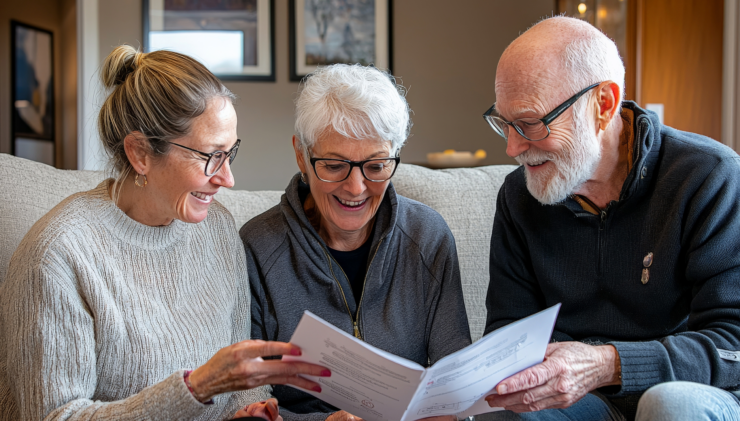
 Why Home Care Agencies Need a Safety Plan
Creating a better quality of life for those who can’t care for themselves. It’s what you do as a care provider, and you know the need is greater than ever today. As the U.S. population continues to age, the demand for private and professional caregivers for seniors, home health aides, assisted living facilities, and other care providers is exploding.
As a caregiver, you face a wide range of potential liabilities every day. Even if you’re not professionally licensed or required to carry insurance coverage, you’re still exposed to the same risks. You could be physically injured while helping one of your patients. You could suffer long-term adverse physical and mental health conditions due to the physically and emotionally rigorous work you perform. You could even be sued for incompetence, negligence, theft, or sexual harassment.
Any one of these scenarios could turn into a financially devastating endgame. If that happens, what happens to those who count on your services?
Key Takeaways
- Care providers face liability risk even without professional licensure — the underlying exposures (injury, negligence claims, theft allegations) exist regardless of credentialing.
- Patient handling is a leading cause of injury to both patients and caregivers, and reviewing proper lifting and transfer techniques is one of the highest-value risk management steps available.
- Pets and animals in a home care setting are an easy-to-overlook risk — even a normally calm animal can pose a bite or scratch hazard.
- Thorough documentation isn’t just good practice; it’s often the deciding factor in whether a caregiver or agency can defend against a claim.
- A well-rounded care provider insurance program typically layers several coverages together — general liability, malpractice, workers’ comp, and commercial auto among them — rather than relying on any single policy.
- Live-in caregivers and those who care for children or elderly family members have some additional, easy-to-miss exposures, including renters and life insurance considerations.
To make sure you can continue your vital mission, be aware of every risk and address each one appropriately. Here are some of the most common categories of risks you face:
- Patient care environment. Are all indoor heating and cooling, air quality, and sanitary conditions acceptable? What about the safety of the neighborhood? Don’t forget injuries from slips, trips, and falls, to both you and your clients. Make safety a top priority and regularly review the patient environment for hazards. For a deeper look at building out a formal safety program, see our guide on why home care agencies need a safety plan.
- Patient handling. A leading cause of injuries to patients and care providers is the way patients are physically handled. Review all available material on lifting and transferring patients, including the use of assistive devices such as slide boards, rollers, slings, belts, and mechanical hoists.
- Pets and animals. Animal bites and scratches are one of the unique risks you and your patients face in a home setting. Even pets that are usually docile can pose a risk, so use caution anytime pets are involved.
- Documentation. It’s crucial that you completely and accurately document everything. Uniquely challenging circumstances can occur in a home healthcare setting, and it’s important to document everything to reduce your liability. In our experience, the caregivers who avoid the worst outcomes in a dispute are the ones who documented consistently before anything went wrong — trying to reconstruct records after a claim is filed is far harder and far less convincing.
Your risk management strategy should be topped off with the right insurance protection for your unique risks.
Whether you provide care out of your own facility or in your patients’ homes, you face a diversity of risks that need specialized insurance coverage, especially insurance for home health care providers. Here are some key coverages you may need to consider:
- General liability to protect you from bodily injury, property damage, and personal injury claims
- Property to protect your office building, equipment, supplies, media devices, etc.
- Commercial auto to protect you if you use your vehicle to transport clients
- Malpractice to protect you if you’re sued for negligence or errors made while carrying out your services
- Workers’ compensation if you have employees
- Cyber liability if you have clients’ sensitive data on your system
- Umbrella / excess liability to expand your liability coverage in case of legal action
- Renters to protect your personal possessions if you’re a live-in caregiver
- Life if you take care of children or an elderly parent, since your death could create unexpected expenses
Partner With an Industry Expert
At Heffernan Insurance Brokers, we’re actively involved with industry groups across the country. In addition to insurance for home health care providers, we have developed special insurance programs for allied health centers and senior living communities for leading associations and franchises. If you want a closer look at identifying hazards before they become claims, see our guide on conducting home risk assessments. Let us give your risks the attention they deserve, so you can continue to provide your clients the care they need.